Vinograd: A Handwritten Display Font with Genuine Character
Choosing the right typeface often feels like the final puzzle piece in a design project. You have the layout, the colors, and the imagery, but the font either pulls everything together or leaves it feeling flat. Vinograd enters that space as a handwritten display font built for projects that demand presence. It is not a quiet, background typeface. It arrives with intention, offering a level of contrast and personality that makes it immediately useful for logos, headlines, and any context where standing out is non-negotiable.
Understanding Vinograd’s Design DNA
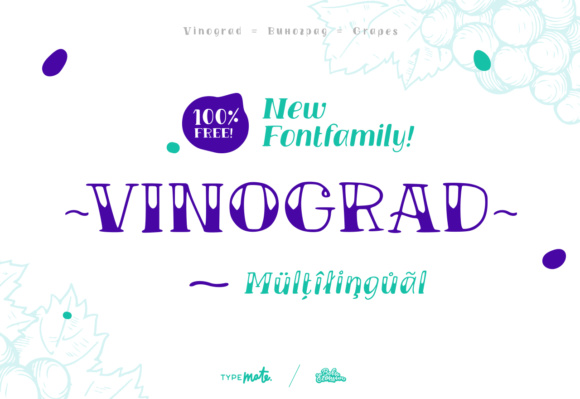
Handwritten fonts vary widely, from casual scribbles to refined calligraphy. Vinograd sits in a more deliberate space. Its letters carry a noticeable contrast between thick and thin strokes, a characteristic that gives it a dynamic, almost rhythmic quality across a word or phrase. The letterforms are not uniform in a mechanical sense, and that is exactly the point. Each character feels drawn rather than typed, which lends an authentic, human touch to any piece of text.
The structure of Vinograd is both bold and elegant. The uppercase letters carry weight, while the lowercase forms retain a sense of flow and readability. This balance makes it suitable for short bursts of text—think headlines, taglines, or brand names—rather than long body copy. It is a display font by design, meant to be seen at larger sizes where its details can breathe.
The Two Styles and Their Roles
Vinograd comes in two styles, and this duality is one of its strongest assets. Having a second style means you are not locked into a single voice. One style might offer a more refined, polished look, while the other leans into a rougher, more textured hand-drawn feel. This variety allows designers to switch tones without leaving the font family. You can use one style for a primary headline and the other for a subheading or accent element, creating visual hierarchy while maintaining cohesive branding.
For example, a branding project for a craft coffee shop might use the cleaner style for the logo mark and the more expressive style for menu headers or packaging copy. The consistency across both styles ensures the design remains unified, even as the mood shifts between polished and rugged.
Where Vinograd Shines in Real-World Projects
Because Vinograd is a display font with strong contrast and striking letterforms, it works best in applications where it can occupy center stage. Here are several contexts where it delivers tangible value.
Logo and Brand Identity Design
Logos need to be memorable at a glance. Vinograd’s distinctive stroke contrast and hand-drawn authenticity make it a strong candidate for wordmarks in industries like hospitality, fashion, beauty, and artisan goods. A boutique hotel, a skincare line, or a small-batch bakery can all benefit from the warmth and character this typeface brings. The font does not look generic. It suggests craftsmanship and attention to detail, which aligns well with brands that want to communicate those values.
Headlines and Editorial Layouts
Magazines, blogs, and editorial projects often struggle to find headline fonts that feel fresh without being distracting. Vinograd solves that problem by offering personality without sacrificing legibility at display sizes. It works well for pull quotes, section headers, and cover lines. The contrast in the strokes draws the eye naturally, guiding readers into the content below. In digital contexts, pairing Vinograd with a clean, neutral sans-serif for body text creates a professional and inviting layout.
Packaging and Product Design
Packaging is one of the most competitive spaces for visual design. A product on a shelf has a split second to capture attention. Vinograd’s handwritten quality adds a sense of authenticity and small-batch appeal. It performs well on labels for food, beverages, candles, and personal care products. The font conveys that the product was made with care, not mass-produced. That emotional cue can influence purchasing decisions, particularly in markets where artisanal values matter.
Social Media and Digital Content
Social media feeds are crowded with content, and standing out often comes down to typography. Vinograd works well for quote cards, announcement graphics, and story titles. Its bold strokes ensure readability even on mobile screens, while the hand-drawn quality helps content feel more personal and less corporate. Creators and small business owners can use it to build a consistent visual identity across platforms without needing a full design team.
Who Benefits Most from Vinograd
Vinograd is not a one-size-fits-all font, but it serves a broad range of users who share a common need: typography that feels human and purposeful.
Brand Owners and Entrepreneurs
If you are building a brand from scratch or refreshing an existing one, Vinograd offers a distinctive voice. It helps you avoid the generic look that comes from using overly popular fonts. For entrepreneurs who handle their own design, the two-style system provides flexibility without requiring multiple font purchases. You can create a cohesive visual system with a single family.
Graphic Designers and Creative Professionals
Professionals will appreciate Vinograd for its versatility in client work. It is particularly useful for projects in the lifestyle, food, fashion, and wellness sectors. The font saves time because it already carries a strong personality, reducing the need for heavy customization. Designers can drop it into a layout and immediately elevate the visual tone.
Content Creators and Influencers
For creators who produce digital content, Vinograd adds a polished, curated feel to graphics. It works well for YouTube thumbnails, Instagram posts, and website headers. The font helps establish a recognizable aesthetic that audiences associate with quality and consistency.
Strengths and Practical Considerations
No font is perfect for every scenario, and understanding Vinograd’s strengths and limitations will help you use it more effectively.
What Vinograd Excels At
- Visual impact at larger sizes: The contrast and stroke variation become assets when the font is displayed prominently.
- Two-style versatility: Having two distinct styles within one family gives you room to create hierarchy and variation without clashing fonts.
- Hand-drawn authenticity: The organic feel of the lettering adds warmth and humanity to designs that might otherwise feel sterile.
- Brand differentiation: Vinograd helps brands look unique in crowded markets where many competitors rely on safe, generic typography.
Limitations to Keep in Mind
- Not suitable for body text: This is a display font. Using it for long paragraphs will reduce readability and tire the reader.
- Performance at very small sizes: At small point sizes, the contrast may cause thin strokes to disappear, especially in digital or low-resolution contexts.
- Niche appeal: Vinograd’s strong personality may not suit corporate, legal, or highly formal projects. It works best when the brand voice is approachable or creative.
- Limited language support: Depending on the version, some special characters or accented letters may not be included. Check the glyph set before committing to multilingual projects.
Real-World Scenarios: Seeing Vinograd in Action
Imagine a small organic tea company launching its first product line. The founders want packaging that feels handcrafted and sincere. Using Vinograd for the product name on the label, paired with a soft color palette and botanical illustrations, creates a cohesive look that communicates quality. The two styles allow them to use the refined version for the brand name and the more textured style for flavor names like “Chamomile Lavender” or “Earl Grey Rose.”
Or consider a freelance photographer redesigning their portfolio website. They need a headline font that feels artistic but professional. Vinograd used for the site’s main headings, combined with a clean sans-serif for body text, gives the site a gallery-like feel. The font’s contrast echoes the play of light and shadow in photography, reinforcing the visual theme without competing with the images.
Another example: a small-batch candle maker creating a seasonal collection. The labels need to convey warmth and indulgence. Vinograd in a warm gold or copper tone on dark glass jars becomes the centerpiece of the packaging. The handwritten quality suggests the candles are made in small batches with care, not on an assembly line.
Evaluating Vinograd for Your Next Project
Before committing to Vinograd, consider a few practical questions. First, what is the scale of your text? If your project involves headlines, logos, or short phrases, Vinograd is a strong choice. If you need to set paragraphs or dense information, look for a complementary body font instead. Second, think about your brand’s personality. Vinograd leans warm, artisanal, and expressive. It will feel natural for brands in creative, lifestyle, or handcrafted spaces, but may clash with minimalist or corporate identities.
Test the font in context. Place it in a mockup of your intended application, whether that is a website header, a product label, or a social media graphic. See how it reads at different sizes and on different backgrounds. Pay attention to how the two styles interact if you plan to use both. A good test will reveal whether Vinograd enhances your message or overwhelms it.
Also consider pairing. Vinograd works well with neutral sans-serif fonts like Montserrat, Open Sans, or Lato for body copy. Avoid pairing it with other display fonts that have strong personalities, as they may compete for attention. The goal is to let Vinograd lead while supporting fonts provide structure and readability.
Final Thoughts on Vinograd’s Place in Your Toolkit
Vinograd offers something that many fonts do not: genuine character without sacrificing professionalism. It is not a font that fades into the background, and that is its greatest strength. For designers, business owners, and creators who need typography that communicates warmth, craft, and confidence, Vinograd provides a practical and expressive solution.
Its two-style system adds a layer of flexibility that makes it more useful than many standalone display fonts. You can build visual hierarchy, switch tones, and maintain consistency across different touchpoints. Whether you are branding a new business, designing a product line, or refreshing your digital presence, Vinograd deserves a place in your consideration set.
Like any design tool, it works best when used with intention. Understand its strengths, respect its limitations, and apply it in contexts where its bold, handwritten character can truly shine. When you do, Vinograd becomes more than just a font. It becomes a voice.