Kilig Logo Template: What Most People Get Wrong About DIY Branding
You have a business idea, a side project, or maybe a personal brand you have been nurturing for months. The next step feels obvious: you need a logo. But hiring a professional designer costs more than you want to spend, and starting from scratch in design software feels overwhelming. That is exactly where a Kilig Logo Template enters the picture. It promises a polished, customizable starting point without the steep learning curve or the high price tag. And for many people, it delivers exactly that. But there is a catch. Most people use templates the wrong way, and the result ends up looking generic, mismatched, or worse, unprofessional.
Let us walk through the most common mistakes people make when working with a logo template, and more importantly, how you can avoid each one. Whether you are a freelancer, a small business owner, a blogger, or an educator preparing course materials, the difference between a logo that works and one that hurts your credibility often comes down to a handful of decisions you make in the first hour of editing.
Mistake One: Treating the Template as a Final Product
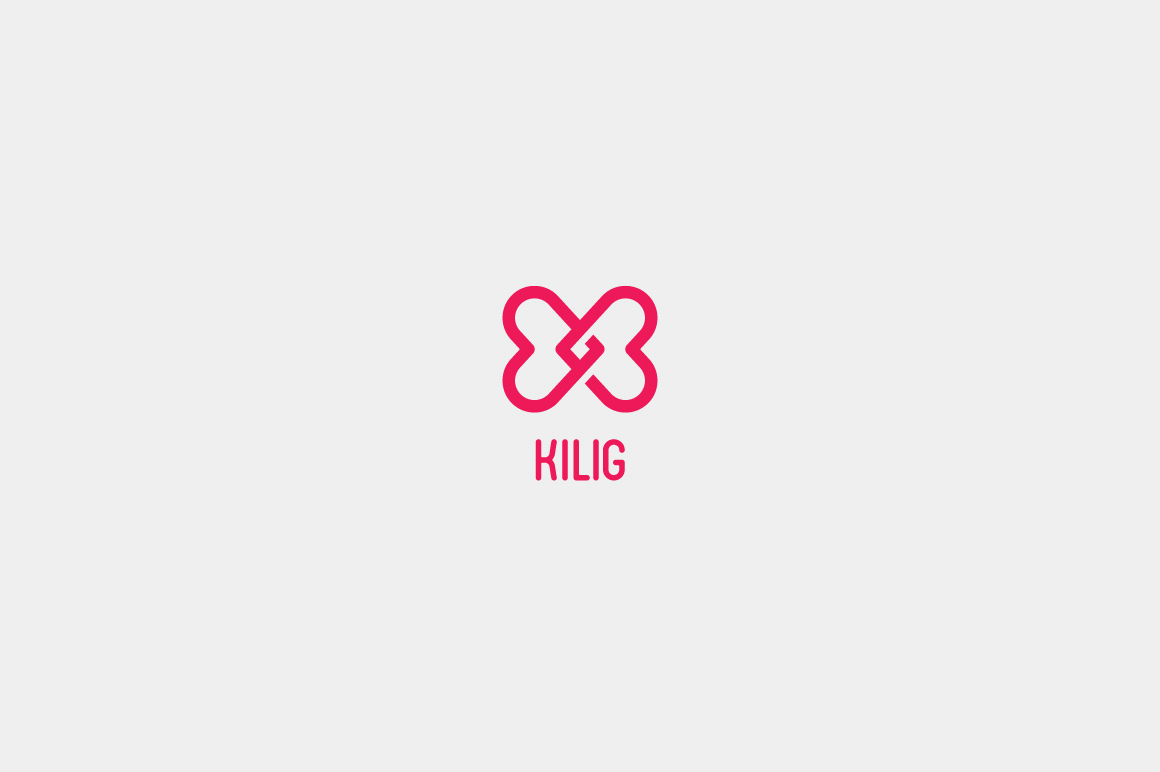
The biggest misunderstanding about any logo template, including the Kilig Logo Template, is thinking it is ready to use straight out of the download. Yes, the file opens with a clean design, balanced colors, and a professional layout. But a template is a starting point, not a finish line. If you use it exactly as it comes, you are essentially using the same logo as hundreds of other people who downloaded the same file. That is not branding. That is coincidence.
The solution is simple: treat the template as a foundation. Change the color palette to match your brand identity. Swap the placeholder text for your actual business name. Adjust the layout if the default arrangement does not fit your industry. A bakery logo should feel warm and approachable, while a consulting firm logo should feel clean and authoritative. The same template can serve both purposes, but only if you take the time to tailor it.
When you open the AI or EPS file in Adobe Illustrator, or the PSD file in Photoshop, take a moment to look at every layer. The Kilig Logo Template is built with editable elements. That means you can change the shape, the font, the size, and the position of every component. If you skip this step, you are leaving most of the value on the table.
Mistake Two: Ignoring Color Psychology and Print Requirements
Another common oversight involves color. The template comes set with CMYK print colors at 300 dpi resolution. That is excellent for professional printing, but only if you use those settings correctly. Many people open the file, see the default colors, and assume they are ready for both digital and print use. The problem occurs when someone edits the file in an RGB-only workflow, or changes colors without considering how those colors will behave on paper versus on screen.
Here is what to watch out for: if you plan to print business cards, flyers, or product packaging, keep the document in CMYK mode. If you are designing primarily for social media or a website, you can work in RGB, but be aware that the colors will appear slightly different when printed later. The Kilig Logo Template is supplied in CMYK for a reason. It gives you print-ready quality from the start. Do not override that advantage by converting to RGB unnecessarily.
Also consider what your chosen colors communicate. A bright neon palette might look fun on Instagram, but printed on matte paper, it can feel harsh. Muted earth tones might feel elegant on packaging but disappear on a digital background. Test your logo in both contexts before finalizing. The 300 dpi resolution means you can scale the logo up or down without losing clarity, but only if you export it correctly. Always export a high-resolution PNG for digital use and a vector PDF or EPS for print.
Mistake Three: Overlooking Typography and Font Licensing
The Kilig Logo Template includes a link to the free font used in the design. That is a thoughtful addition, but it also introduces a trap. People often assume that because the font is free, they can use it however they like. That is not always true. Some free fonts come with restrictions, such as limits on commercial use, embedding, or redistribution. Before you finalize your logo, check the license for the linked font. If it prohibits commercial use, you will need to substitute it with a similar font that allows what you need.
Typography matters more than most beginners realize. The font you choose sets the tone for your entire brand. A script font suggests elegance or creativity. A bold sans-serif font suggests strength and modernity. A serif font suggests tradition and reliability. The Kilig Logo Template gives you flexibility to change the font type easily in Illustrator or Photoshop. Do not settle for the default just because it is already there. Experiment with three or four alternatives, and see which one aligns with your brand voice.
Also pay attention to spacing. Even a great font can look amateurish if the letter spacing, line height, or alignment is off. After you change the text, adjust the kerning and tracking so the letters feel balanced. Small adjustments here separate a polished logo from a slapped-together one.
Mistake Four: Designing for Only One Application
Another mistake is designing the logo exclusively for one use case. Perhaps you are focused on a website header, so you make the logo wide and horizontal. That works fine on a desktop screen, but on a square social media profile picture, it gets cropped or becomes too small to read. The same happens with apparel printing, where a highly detailed logo might lose legibility when embroidered on a small shirt pocket.
The Kilig Logo Template is resizable and editable, which means you can create variations from the same base design. Create a horizontal version for your website header and business cards. Create a stacked or square version for social media avatars. Create a simplified version for small-scale printing on pens or stickers. Having multiple formats of the same logo ensures consistency across every touchpoint, without forcing your design to fit awkwardly into spaces it was not built for.
When you save your files, keep the editable AI, EPS, and PSD files intact. You never know when you will need to go back and tweak a version for a new application. The download gives you those source files for a reason. Use them.
Mistake Five: Neglecting Consistency Across Brand Assets
A logo does not exist in isolation. It lives on your website, your email signature, your product packaging, your flyers, your apparel, and your business cards. If your logo uses a particular shade of blue, but your website uses a slightly different blue, the inconsistency will be noticeable even if people cannot name why. The same applies to fonts, icon styles, and spacing.
Before you finalize your Kilig Logo Template, decide on a small set of brand guidelines. Write down the exact hex codes for your colors, the font names and weights you plan to use, and the general positioning of your logo elements. This does not have to be a long document. Even a single page of notes will save you hours of guesswork later. Whenever you create a new asset, you can refer back to those guidelines and keep everything cohesive.
The template gives you a professional starting point. Your job is to extend that professionalism into every other piece of your brand identity. If you treat the logo as a one-off design, the rest of your materials will feel disconnected. If you treat it as the center of a cohesive system, your brand will look intentional and credible.
Mistake Six: Rushing the Edit Process
Finally, do not rush. The appeal of a template is that it saves time, but that does not mean you should finish in ten minutes. Open the AI file in Adobe Illustrator, or the EPS file, or the PSD file in Photoshop, and spend at least an hour exploring the layers. Change the colors, rotate the shapes, test different fonts, and adjust the sizes. Export test versions and view them on your phone, your laptop, and a printed sheet of paper. Ask a friend or colleague for their honest reaction.
One of the most valuable features of the Kilig Logo Template is that it is easy to customize. The elements, colors, shapes, text, font type, position, and size can all be edited. That level of flexibility is rare in pre-made designs. Take advantage of it. A logo you spend time refining will feel like yours, not like something you downloaded and walked away from.
If you are new to Illustrator or Photoshop, follow the included instructions carefully. The download link for the free font will make sure your text renders correctly. If you run into trouble, look for tutorials specific to editing layered logo templates. A few minutes of learning will save you hours of frustration.
What to Check Before You Hit Export
Before you commit to your final logo, run through this short checklist:
- Resolution: Is your export set to 300 dpi for print and at least 72 dpi for digital use?
- Color mode: Is the file in CMYK for print projects and RGB for digital projects?
- Font licensing: Have you verified that the free font linked in the download allows commercial use?
- Scalability: Does the logo look clear at both small and large sizes?
- Readability: Can someone read your business name from a distance or on a small screen?
- Versatility: Do you have at least one horizontal and one vertical version of the logo?
- File formats: Have you saved a vector format (AI, EPS) and a raster format (PNG, JPEG) for different uses?
Taking a few extra minutes to verify these points will prevent headaches down the road. A logo that works everywhere, from your Instagram profile to your product packaging, is a logo that earns trust. And trust is the foundation of any successful brand, whether you are a solo freelancer or a growing small business.
The Kilig Logo Template is a practical tool. It saves you time, money, and frustration, but only if you use it with intention. Avoid the common mistakes outlined here. Customize thoroughly, respect color and print standards, choose your typography carefully, create multiple versions, maintain consistency, and take your time. Your brand deserves more than a quick download. It deserves a logo that looks like it was made for you.