Shkoder 1989: A Techy, Sporty Font for Modern Projects
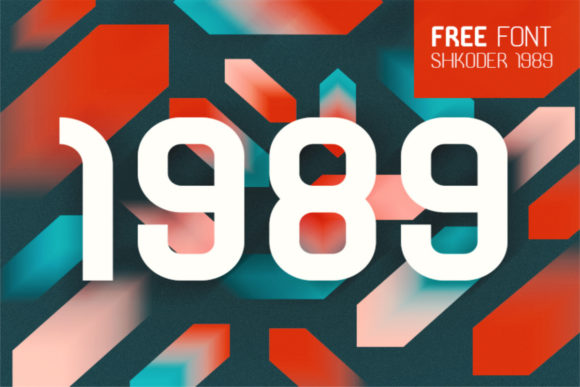
When you need a typeface that channels the energy of the 90s without feeling dated, Shkoder 1989 steps in as a both nostalgic and fresh option. Designed to evoke the pixelated screens, arcade games, and sporty branding of that decade, this all-caps font combines a “techy” edge with a “sporty” dynamism. Below we explore how Shkoder 1989 answers common design challenges, where it shines, and how different users can get the most out of its two weights and extensive glyph set.
What Is Shkoder 1989?
Shkoder 1989 is a display typeface that draws directly from 90s aesthetics. It is entirely uppercase and includes a wealth of alternative glyphs, ligatures, and stylistic sets that let you customise your text to feel like it belongs on a vintage gaming cartridge or a retro sports jersey. The font is built with two weights—likely a regular and a bolder option—so you can create hierarchy and contrast in your layouts. Because it was designed with both print and digital use in mind, Shkoder 1989 delivers consistent legibility whether you’re setting headlines on a website or lettering a poster.
The Challenges That Shkoder 1989 Solves
Anyone working on a project that calls for a retro 90s vibe knows that many “retro” fonts either look too cartoonish or fail to work across different media. You might need a typeface that:
- Captures the spirit of the 1990s – from chunky video game fonts to sporty block letters seen on team uniforms and athletic wear.
- Functions equally well in print and on screen – a single font family that doesn’t lose readability at small sizes or become pixelated when scaled up.
- Offers enough variety to keep a design interesting – many simple all-caps fonts feel repetitive without alternate characters or multiple weights.
- Maintains a professional quality while still feeling playful – you need the flexibility to use it in branded materials, social media graphics, or event posters without looking unpolished.
Shkoder 1989 directly addresses each of these pain points. Its design roots in actual 90s display lettering give it an authentic feel, while its crafted glyphs ensure versatility. The two weights allow you to differentiate headings from subheadings, and the extensive character set means you can swap letters for special forms to avoid monotony.
How Shkoder 1989 Helps Different Users
Depending on your specific role and project, Shkoder 1989 can serve very different purposes. Below are three common user scenarios and how the font fits their needs.
Graphic Designers and Branding Specialists
If you’re designing a logo for a streetwear brand, a retro gaming event, or a sports-related business, you need a typeface that immediately signals the era but still looks current. Shkoder 1989’s sporty letterforms work perfectly for logotypes, merchandise, and packaging. Its two weights let you pair a heavy version for the main wordmark with a slightly lighter weight for taglines. The alternate glyphs are especially helpful when you want to create a unique, memorable wordmark that stands out from competitors using off-the-shelf fonts. The all-caps nature forces a bold, consistent look that suits many modern minimalist trends mixed with vintage cues.
Content Creators and Social Media Managers
For short form content like YouTube thumbnails, Instagram stories, or quote graphics, finding a font that catches the eye is crucial. Shkoder 1989 brings immediate energy. The “techy” aesthetic aligns perfectly with content about gaming, esports, retro tech reviews, or 90s pop culture. You can use the heavier weight for the main headline and the lighter weight for secondary text or highlights. The glyph variety means you can alternate between standard and swash versions of letters to create a dynamic, custom feel without buying extra font licenses. Digital use is smooth because the font retains crisp edges even on small screens.
Print Publishers and Event Organisers
Flyers, posters, and banners for events like 90s-themed parties, nostalgia fairs, or gaming tournaments need a typeface that communicates fun without sacrificing readability. Shkoder 1989’s print-friendly design means it works well in large formats (like a poster header) and also in smaller sizes when paired with a clean sans-serif for body text. The sporty character makes it a natural fit for any event involving sports, competition, or high-energy activities. Event organisers can rely on the two weights to separate main information from details, and the alternate glyphs can highlight key words like “WIN” or “PLAY” in a distinct style.
Practical Applications and Real-World Examples
To illustrate how you can implement Shkoder 1989, consider these concrete ideas:
- Esports Team Logos – Combine the heavy weight with a geometric shape or icon. The all-caps lettering gives a commanding presence, and you can use a few alternate glyphs (like an angled ‘A’ or a raised ‘R’) to make the logo feel original.
- Retro Arcade Poster – Set the event name in the heavier weight, then use the lighter weight for “Saturday Night” or “High Score Challenge”. Add a few ligatures to create connected letters that mimic neon signage.
- Streetwear Clothing Graphics – Because the font is all caps, it works well for chest prints or sleeve graphics. The sporty feel aligns with athletic-inspired fashion. Use the heavier weight for the brand name and the lighter for a motto like “EST. 1989”.
- Game Interface Titles – In video games or streaming overlays, Shkoder 1989 can serve as a title font for menus, level names, or player rankings. Its clear letterforms remain legible even when animated or overlaid on busy backgrounds.
- Merchandise Packaging – For products aimed at a nostalgic audience, such as retro candy or limited edition sneakers, the font on packaging creates instant connection. The two weights allow you to differentiate product name from flavor or size.
Recommendations for Using Shkoder 1989 Effectively
Getting the most out of this typeface requires careful pairing and thoughtful placement. Here are some guidelines you can follow:
- Combine weights for contrast. Use the heavier weight for the first word or primary headline and the lighter weight for secondary words. This prevents the all-caps setting from becoming too overwhelming.
- Pair with a neutral sans-serif or a simple serif for body text. Because Shkoder 1989 is bold and decorative, you’ll want a clean supporting font for longer paragraphs. Fonts like Open Sans, Roboto, or Helvetica work well. Avoid pairing it with another display font to keep the design legible.
- Adjust tracking (letter spacing). All-caps fonts often need a little extra space between letters to improve readability, especially at larger sizes. Experiment with tracking of +10 to +50 for headlines; for smaller text, tighten spacing slightly.
- Use alternate glyphs sparingly. The extensive glyph set is a powerful tool, but using too many alternates in one word can make it hard to read. Reserve alternates for the first or last letter, or for words you want to emphasise.
- Test in both print and digital before finalising. Check that the lighter weight holds up at small sizes (12pt or below) in print, and that the bolder weight doesn’t lose its details in low-resolution digital displays. Shkoder 1989 is designed for both, but always preview your specific use case.
User Considerations and Approach Variations
Different users may approach the same font with different goals. For instance, a web designer building a landing page for a 90s revival product might use Shkoder 1989 only for the header and call‑to‑action buttons. They’ll likely rely on the heavier weight for impact and use CSS to adjust font-weight if the family includes variable options. A print designer, on the other hand, might use both weights extensively in a single composition, such as a magazine spread or a poster, where physical size gives more room to appreciate the glyph details.
Someone creating a brand identity might choose Shkoder 1989 as the primary brand font, but they’ll need to consider how it works in all-caps for every instance – some applications might require a lowercase equivalent (which the font does not offer). That user may decide to use Shkoder 1989 only for headlines and a secondary sans-serif for shorter phrases or subheads. This balance preserves the retro feel while maintaining versatility.
Social media managers will probably use Shkoder 1989 for overlay text on images or short video titles. They’ll benefit from the font’s readability against varied backgrounds, but should be cautious with long strings of text – all-caps can be difficult to read in long paragraphs, so keep your copy short and punchy.
Outcomes You Can Achieve With Shkoder 1989
When used thoughtfully, Shkoder 1989 helps you create designs that resonate with people who lived through the 90s and those who admire the era’s aesthetic today. The font bridges nostalgia and modernity, so projects feel both familiar and fresh. You can expect:
- Strong brand recall – the distinctive letter shapes are memorable, especially when you use alternate glyphs consistently.
- Improved visual hierarchy – thanks to two weights, you can guide the reader’s eye without extra graphics or colours.
- Consistency across media – from a printed flyer to a website hero banner, the same font maintains its character without looking out of place.
- Higher engagement on digital platforms – a retro, sporty font tends to stop the scroll and encourage clicks or shares, particularly for content that aligns with 90s themes.
Conclusion
Shkoder 1989 is more than a novelty display font – it’s a practical tool for designers, marketers, and creators who need to evoke a 90s feel with professional execution. Its two weights, all-caps construction, and extensive glyph library give you flexibility without sacrificing authenticity. Whether you are working on a logo, a poster, a social media graphic, or a product package, Shkoder 1989 can help you achieve the balance between techy, sporty, and timeless. Start by experimenting with the two weights on your next headline project – you’ll quickly see how this font can turn a simple message into a statement that echoes the energy of an entire decade.