Shnobel: A Wildly Emotional Font for Bold Designs
Some fonts whisper. Others shout. And then there is Shnobel — a typeface that seems to laugh, cry, and dance all at once. If you have ever scrolled past yet another clean, minimal sans-serif and felt a pang of boredom, you are not alone. Shnobel arrives as a welcome disruption: odd, funny, extraordinary, and deeply emotional. It is the kind of font that makes people stop, stare, and smile before they even read a single word. But is it right for your project, your audience, or your brand? That depends on who you are and what you are trying to say.
What actually is Shnobel?
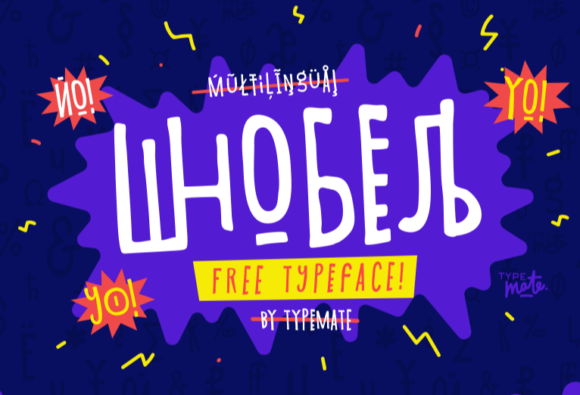
At its core, Shnobel is a display typeface built for impact. It does not try to blend in or disappear into the background. Every letter carries a sense of movement, personality, and unpredictability. The shapes feel almost hand-drawn, as if someone let their emotions guide the pen. The result is a font that reads as playful, raw, and surprisingly human. Unlike many polished fonts that feel sterile, Shnobel brings warmth and a bit of chaos. It works best in settings where you want the text itself to be part of the art — not just a vehicle for words.
For anyone used to working with standard fonts like Arial or Helvetica, Shnobel can feel like stepping into a different universe. That is not a bad thing. But it does mean you need to use it with intention. It is not a font for long paragraphs or fine print. It is a font for headlines, logos, posters, social media graphics, and any space where you have a few words and want them to leave a mark.
Why Shnobel matters differently depending on who you are
The same font can serve very different purposes for different people. A graphic designer might see Shnobel as a creative tool for breaking out of a rut. A small business owner might see it as a way to inject personality into a brand that feels too corporate. A hobbyist scrapbooking on weekends might see it as pure fun. Recognizing these different lenses helps you decide whether Shnobel fits your own goals, skill level, or project type.
For creators and designers: a tool for emotional storytelling
If you are a designer or visual creator, you already know that typography can make or break a project. Shnobel gives you a shortcut to emotional tone. Need a headline that feels joyful, chaotic, or a little unhinged? Shnobel does the heavy lifting. It works particularly well in poster design, album covers, event flyers, and brand identities that lean into humor or nostalgia. Beginners sometimes worry that a font this bold will overpower their design. In practice, you can balance it by pairing Shnobel with a simple, neutral companion font for body text. That contrast — wild headline, calm body — creates visual tension that feels intentional and polished.
For more experienced users, Shnobel offers flexibility in how you layer it. Try using it in all caps for a louder effect, or in lowercase for something more quirky and approachable. You can also experiment with color, texture, or even distort it slightly for extra personality. The font rewards experimentation. It does not punish you for thinking outside the box.
For business owners and marketers: standing out in a crowded space
Small business owners, entrepreneurs, and marketers face a constant challenge: how do you get people to notice you? In a world of cookie-cutter branding, Shnobel can be a differentiator. Imagine a local coffee shop using Shnobel for its chalkboard-style specials board. Or an online boutique using it for a limited-edition collection announcement. The font signals that you do not take yourself too seriously, and that you value creativity and connection over corporate polish.
That said, Shnobel is not right for every business. If you are in a field that relies on trust and formality — law, finance, healthcare — a font this playful might undermine your credibility. But for brands centered on lifestyle, entertainment, food, art, or education, Shnobel can become a signature element. The key is to use it sparingly and strategically. A logo, a tagline, or a seasonal campaign can carry the personality without overwhelming the entire brand.
From a commercial value perspective, Shnobel is an investment in distinctiveness. It costs nothing in terms of licensing complexity (many versions are free or affordable), but it pays off in memorability. Customers remember how a brand makes them feel, and Shnobel makes people feel something.
For educators and hobbyists: playful learning and experimentation
Teachers, workshop leaders, and hobbyists often look for tools that spark engagement. Shnobel can help turn a dull worksheet into something kids actually want to look at. It works great for lesson titles, classroom posters, or announcements. The font's emotional quality can also help convey tone — use it for a "fun fact" section or a "surprise!" moment in educational materials.
For hobbyists working on personal projects like scrapbooking, party invitations, or custom gifts, Shnobel adds a handmade feel without requiring any artistic skill. You can type your message, pick Shnobel, and instantly get something that looks crafted and personal. It democratizes design. You do not need years of experience to make something that looks intentional and fun.
Practical considerations: flexibility, compatibility, and ease of use
Before you commit to Shnobel for a project, there are a few practical angles to think through. First, readability. Because Shnobel is so expressive, it works best at larger sizes. Avoid using it for body text or anything below 18-20 points. The letters can become hard to decipher at small scales, especially for readers with visual impairments. That is not a flaw — it is a design constraint. Knowing this helps you use the font where it shines.
Second, compatibility. Shnobel is available in common formats like OTF and TTF, so it installs easily on both Mac and Windows. It works in most design software, including Adobe Creative Suite, Canva, and even Microsoft Office. If you are a beginner working in Canva or a similar tool, you can upload the font and start using it immediately. There is no steep learning curve. You do not need advanced typography knowledge to get good results.
Third, reliability. Because Shnobel is a display font, it may not render well on every website if used as web font. Test it on different devices and browsers before finalizing a digital design. For print projects, the results are consistently strong as long as you maintain sufficient size and contrast. If you are a publisher or blogger using it for headings, pair it with a clean web-safe font for the body to ensure accessibility and speed.
Is Shnobel right for your next project?
The honest answer is: it depends on what you are trying to achieve. If your goal is to communicate professionalism, reliability, or authority, Shnobel probably is not your best choice. But if you want to convey playfulness, creativity, emotional depth, or a sense of fun, it is hard to beat. Ask yourself a few questions before deciding:
- What is the tone of my project? If it needs to be serious, skip Shnobel. If it can be spirited or surprising, try it.
- Who is my audience? Younger, creative, or casual audiences tend to respond well. Conservative or professional audiences may find it distracting.
- Where will the text appear? Large headlines, posters, and social graphics are ideal. Small text or dense paragraphs are not.
- Am I willing to pair it with simpler fonts? Shnobel works best as a single accent piece. Plan to use a neutral font alongside it for balance.
For freelancers and publishers, Shnobel can become a signature style element that makes your work instantly recognizable. For consumers buying a font for a one-off project — a party invite, a birthday card, a custom T-shirt — it delivers maximum personality with minimal effort. In both cases, the long-term usefulness of Shnobel depends on how well you match it to the right context. It is not an everyday workhorse font. It is a specialty tool that, when used correctly, can transform a design from ordinary to unforgettable.
Shnobel is not trying to be everything to everyone. It does not pretend to be refined or neutral. It is loud, emotional, and a little strange. And that is exactly why it works. In a landscape where so much design plays it safe, Shnobel dares to be different. Whether you are a seasoned professional looking for a creative spark or a beginner just starting to explore typography, this font invites you to have fun, take risks, and let your personality show. Sometimes, that is exactly what a project needs.