Remington Weather: A Distressed Typewriter Font with Raw Character
Some fonts feel like they’ve lived a life. Scratched, worn, a little uneven—Remington Weather is exactly that kind of typeface. It mimics the gritty, imperfect ink strikes of an old typewriter, where each letter carries the evidence of heavy use and passed time. If you’re after a display font that brings a hand-stamped, vintage authenticity to your work, this one deserves a close look.
What Gives Remington Weather Its Gritty Charm
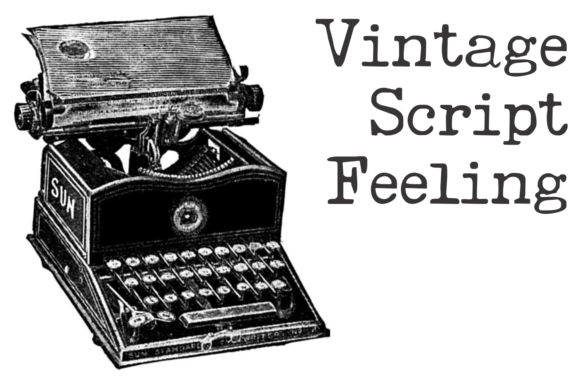
Remington Weather isn’t polished, and that’s its greatest strength. The letters have irregular edges, inconsistent ink fills, and subtle shifts in baseline—just like a real mechanical typewriter with a worn ribbon. The overall effect is rough, sloppy in the most intentional way, and full of texture. It doesn’t read like a clean serif or a script font; it reads like a relic from another era.
This typeface falls squarely into the distressed display font category. You won’t use it for a corporate report, but you might use it for a poster that needs to shout with a voice that sounds hand-hammered. The visual style leans toward gritty, industrial, and nostalgic—think workshop signs, indie band merch, and coffee sacks stamped with roastery names.
Projects Where Remington Weather Leaves a Mark
Because of its strong personality, Remington Weather works best in situations where you want instant character and a sense of history. Here are a few places it naturally fits:
- Logo design and brand identity – For small businesses, craft breweries, vintage clothing lines, or any brand that wants to feel homegrown and authentic, this font adds rooted texture that’s hard to replicate with cleaner modern typography.
- Editorial and packaging design – Think book covers for gritty fiction, limited edition prints, or product packaging that aims for an artisan look. A food label designed with Remington Weather feels like it was stamped by hand in a small kitchen.
- Web headers and social media graphics – Used sparingly in hero sections or as a bold headline on an Instagram story, this typewriter face cuts through the polished noise. Pair it with a neutral background, and it reads as confident and unmanufactured.
- Posters, flyers, and event collateral – Music show posters, poetry readings, or flea market signage all benefit from the raw energy of distressed letters. The slightly irregular strokes make each print feel like a one-off.
When you apply Remington Weather, think of it as a supporting actor rather than the whole cast. Use it in short bursts—titles, single words, short phrases—and let it breathe. As a display font, it doesn’t need volume to be powerful.
How This Font Shapes Readability and Brand Perception
Let’s be honest: a heavily distressed typewriter font isn’t the most legible choice for body copy. That’s by design. Remington Weather sacrifices easy reading in favor of atmosphere. When you place it on a page, you’re signaling to your audience that this piece has texture, history, and probably a story to tell.
For visual hierarchy, use Remington Weather at larger sizes for headlines or key phrases, then balance it with a clean sans serif or a neutral serif font for supporting text. For example, pair it with a simple geometric sans like Montserrat or a crisp serif like Cardo. The contrast between the rough display font and the smooth body font creates a natural focal point without extra design fluff.
From a brand identity standpoint, choosing Remington Weather tells customers you value authenticity over perfection. This typeface works wonders for businesses that want to feel approachable, handmade, or a little rebellious. It also helps create consistency across design assets—if you’re building a brand around a retro or artisan theme, using the same distressed font on packaging, social media graphics, and your website reinforces that identity with every appearance.
Practical Guidance for Picking and Using Remington Weather
Before you download and start typing, consider a few practical points that will save you from an awkward design mismatch.
Evaluate project fit from the start
Ask yourself: does the distressed feel support the message? For a law firm or medical clinic, probably not. For a craft market, a small coffee roaster, or a music festival, absolutely. The font’s raw edges can also work in editorial design for articles about handcrafted goods, industrial history, or even grunge subcultures. Stay true to the mood you want to project.
Test font pairings early
Remington Weather acts best as a headline or accent. Try it with a neutral sans serif like Open Sans or a modern serif like Libre Baskerville. For a more experimental look, pair it with a handwritten font that shares its irregular energy, but make sure they don’t compete for the same messy space. Keep the contrast clear: one distressed, one clean.
Review what’s included in the font package
Check whether Remington Weather includes multiple weights (often distressed fonts come in a single weight) and whether it supports the characters you need. Consider letter spacing—tight spacing may make the rough edges feel cramped, while a little extra tracking gives each letter room to show off its texture. If you’re working on a commercial project, verify the license: some typefaces are free for personal use but require a commercial font license for client work or product packaging.
Readability shortcuts for your audience
Because the font mimics a worn ribbon, avoid setting long sentences in all caps—they become hard to parse. Use sentence case or title case, and keep line lengths short. For web design, test the font at various screen sizes to ensure the distressed effect doesn’t degrade into illegibility on small devices. If it’s too muddy, increase the font size or reduce the background noise.
Making Remington Weather Work for You
In a sea of polished sans serifs and perfect script fonts, Remington Weather stands out because it refuses to be neat. It carries the marks of real use, and that tactile quality translates into projects that feel less like a production and more like a message. Use it to stamp personality onto your brand identity, to frame editorial spreads with a gritty edge, or to give social media graphics the weight of a handwritten note.
Start small—a logo lockup, a poster headline, a product badge—and see how the distressed texture changes the way your audience reads the piece. More often than not, that little bit of wear and tear is exactly what makes a design feel genuine.