The Edmund: Vintage Display Font with Modern Versatility
Typography can define a project. The right typeface gives a design personality, sets a mood, and communicates before a single word is read. The Edmund is one of those fonts that manages to feel timeless and fresh at the same time. It carries distinct vintage appeal while remaining versatile enough for contemporary work. Whether you are building a brand, designing a poster, or experimenting with type for the first time, understanding what The Edmund offers can help you decide if it fits your next project.
What Is The Edmund?
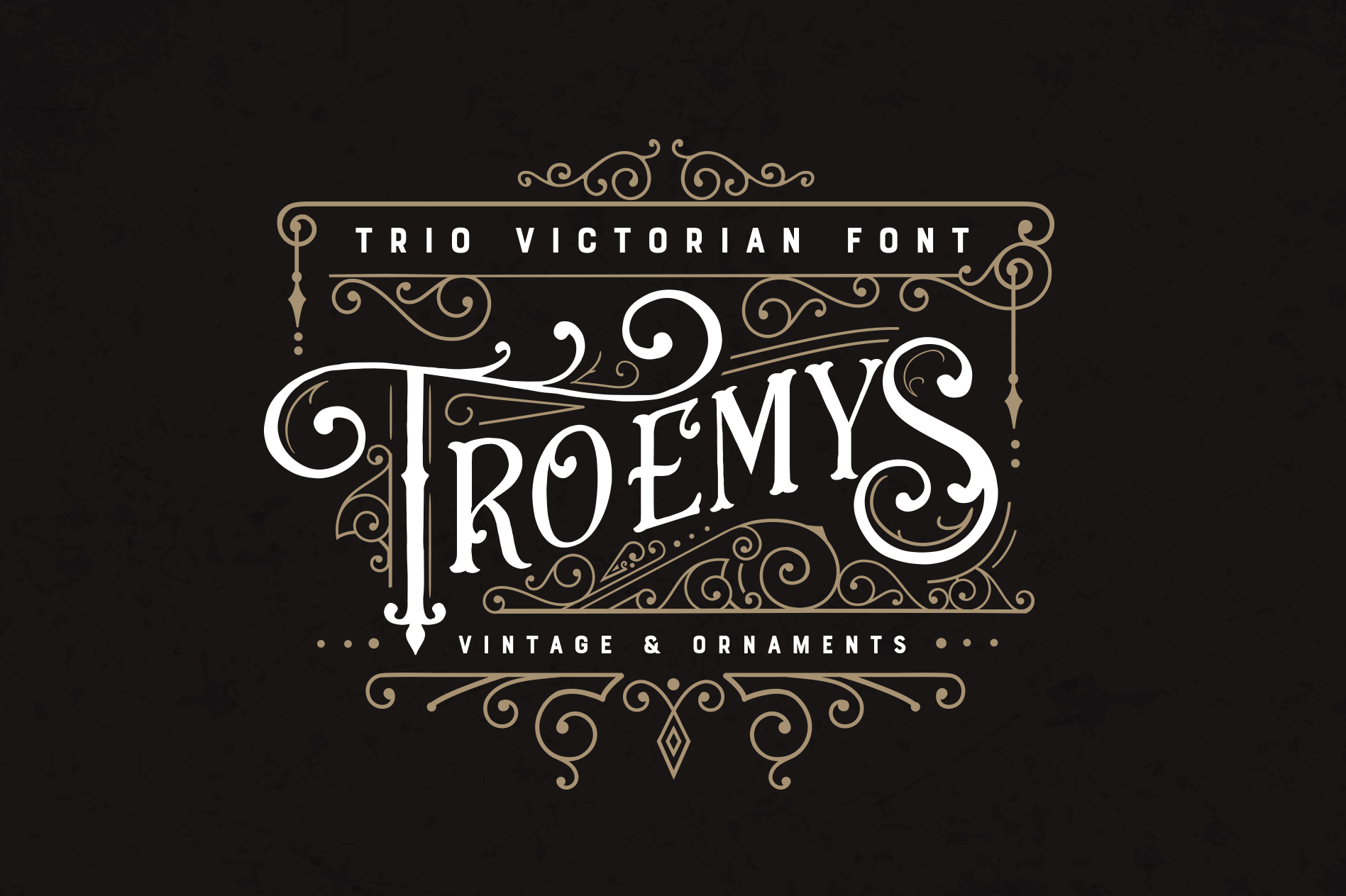
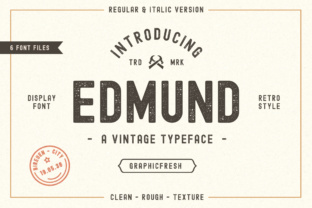
The Edmund is a display font rooted in vintage aesthetics. It draws from classic typography styles but has been refined for modern use. The font comes in several styles, giving you room to play with weight, tone, and emphasis without switching to an entirely different family. Its character set leans into retro charm, but the execution stays clean and readable. That balance makes it effective for both large headlines and body text applications.
Unlike many display fonts that only work at big sizes, The Edmund holds up well when scaled down. This is not typical for a vintage-inspired typeface. Many retro fonts sacrifice legibility for atmosphere. The Edmund avoids that trap by keeping letterforms clear and proportional. This is one reason it works across different media, from printed materials to digital screens.
Why Different Audiences Care About The Edmund
A font like The Edmund does not serve everyone the same way. Someone building a brand from scratch needs different things than a hobbyist making invitations for a friend. Understanding those differences helps you see not just what the font does, but what it can do for you.
Beginners and Hobbyists
If you are new to design or typography, choosing a font can feel overwhelming. There are thousands of options, and it is hard to know what works. The Edmund is a good starting point because it is forgiving. Its vintage character gives projects an intentional look, so even simple layouts feel designed. If you are making a poster for a local event, a social media graphic, or a personal blog header, this font adds personality without requiring advanced layout skills.
Beginners often worry about pairing fonts or creating hierarchy. The Edmund helps here because its multiple styles let you stay within one family. You can use a bold weight for headlines and a lighter one for subtext, and they will naturally work together. That reduces the guesswork and lets you focus on your message.
Freelancers and Creative Professionals
For designers, illustrators, and other creative professionals, the stakes are different. You need fonts that are reliable, flexible, and deliver consistent results across client work. The Edmund fits that need well. Its vintage style suits branding projects for cafes, boutiques, breweries, and lifestyle brands. But it also works for editorial layouts, album art, and packaging.
Having several styles in one font family saves time. You do not need to hunt for complementary typefaces or worry about mismatched proportions. The Edmund gives you enough variety to build a full visual system around a single font. That matters when you are working under deadlines and need predictable results.
Professionals also tend to evaluate fonts on technical quality. The Edmund holds up here too. The kerning is consistent, the character spacing is balanced, and the file handles well in both print and web environments. If you have ever worked with a font that broke alignment or looked uneven at certain sizes, you know why these details matter.
Small Business Owners and Entrepreneurs
If you run a business, your brand identity needs to stand out without looking amateur. The Edmund offers a way to achieve a polished, curated look without hiring a designer for every small task. It works well for logos, menu boards, signage, product labels, and website headers. Its vintage feel can help communicate values like craftsmanship, tradition, or authenticity.
Entrepreneurs often have to balance cost and quality. Investing in a versatile font like The Edmund can replace the need for multiple typefaces across different materials. One purchase can cover your packaging, your website, and your printed collateral. That kind of flexibility offers practical value over time.
Practical Applications Across Projects
The Edmund shines in real-world use. Here are a few examples of how different users might put it to work.
- Event posters and flyers. A bold style from The Edmund creates an immediate focal point. The vintage tone pairs well with subdued color palettes or high-contrast black and white layouts. For a weekend market, a concert, or a gallery opening, this font helps the event feel curated.
- Packaging and product labels. Small batch products like honey, hot sauce, candles, or coffee benefit from the handcrafted feel The Edmund provides. The font suggests care and attention, which reinforces the product story.
- Blog headers and social media graphics. If you publish content regularly, having a consistent typeface makes your work recognizable. The Edmund works well for title cards, quote graphics, and section headers. It adds personality without distracting from the content.
- Educational materials and handouts. Teachers and educators might use The Edmund for worksheets, classroom posters, or event announcements. Its readability at smaller sizes means students can actually read the text, while the style keeps materials visually engaging.
- Personal projects. Hobbyists making invitations, holiday cards, or scrapbook layouts benefit from the font's built-in character. You do not need to add decorative elements. The typeface carries the aesthetic on its own.
Evaluating Whether The Edmund Matches Your Needs
Choosing a font is a personal decision. What works for one person may not work for another. The best way to know if The Edmund is right for you is to consider your own priorities.
If ease of use matters most. The Edmund is straightforward. It installs like any standard font and works across major design software. The multiple styles are clearly labeled, so you can switch between them without confusion. Beginners will appreciate the simplicity, and experienced users will appreciate the efficiency.
If you care about quality. The Edmund is well-constructed. Letters flow naturally, spacing is even, and the vintage influence feels authentic rather than gimmicky. It holds up at both large and small sizes, which is a strong indicator of thoughtful design.
If flexibility is your priority. Few display fonts work as well across different formats. The Edmund can handle print, web, and mobile use without losing its character. That kind of range is valuable if you work across multiple media or plan to reuse the font in different ways.
If you are budget-conscious. A single font family that covers multiple styles and use cases offers good return on investment. Instead of buying several individual fonts, you get a complete system in one purchase. For small businesses and freelancers, that matters.
If you are looking for creative inspiration. Some fonts spark ideas the moment you see them. The Edmund has that quality. Its vintage feel can push you toward design directions you might not have considered. It encourages experimentation with color, texture, and layout.
Who Might Look Elsewhere
No font works for every situation. The Edmund leans into a specific vintage aesthetic. If your project requires a sterile, ultra-modern, or minimalist look, this font may not fit. It also carries a certain warmth that may not suit corporate or formal communications. A law firm or financial institution would likely pick something more neutral. That is not a flaw. It is a sign of a font with a clear identity. Knowing when not to use it is just as valuable as knowing when it works.
Final Thoughts on The Edmund
The Edmund is more than a retro display font. It is a practical tool that balances style with usability. Beginners can rely on it for consistent results. Professionals can depend on it for reliable performance. Business owners can use it to build cohesive branding. And hobbyists can enjoy how much personality it adds to personal projects.
When you choose a typeface, you are choosing how your work will be perceived. The Edmund makes that choice easier by giving you a font that is both distinctive and versatile. If your project calls for vintage charm, clear readability, and a design-friendly attitude, it is worth exploring. Take the time to test it in your own layouts. Sometimes the right font changes everything about how a piece feels.