EyeLid Logo Template: A Practical Guide to Smart Branding Without the Guesswork
When you are building a brand — whether for a side project, a freelance business, or a growing company — the logo is often the first thing people notice. A well-designed mark signals professionalism, trustworthiness, and attention to detail. But not everyone has the budget for a custom designer or the time to learn complex software from scratch. That is where a template like the EyeLid Logo Template comes into play. It gives you a polished starting point that you can tailor to your vision, without requiring advanced design skills. However, using a template effectively involves more than just dropping in your business name and calling it done. Many people overlook important details that can make the difference between a logo that looks sharp and one that feels off. Let us walk through the practical considerations, common pitfalls, and better approaches so you can get the most out of your template and avoid the frustrations that come with rushed decisions.
What the EyeLid Logo Template Offers and Why It Matters
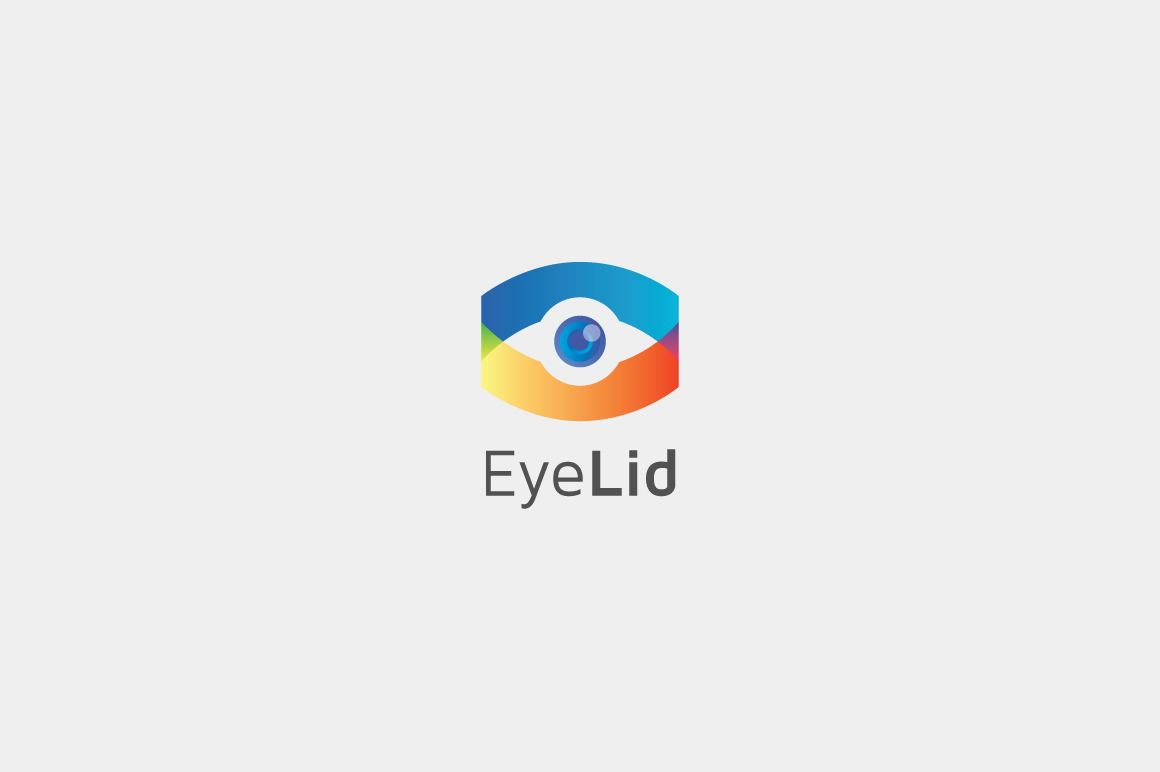
The EyeLid Logo Template is a pre-made design file — available in editable AI, EPS, and PSD formats — that you can modify to create a logo for personal or corporate branding. You are free to change the style, add elements, adjust colors, or use the design as-is. The template is built at 300 dpi with CMYK print colors, so it is ready for both digital screens and physical printing. This dual-purpose flexibility makes it suitable for stationery, apparel, product packaging, business cards, flyers, and more. The download also includes a link to the free font used, which eliminates guesswork around licensing and compatibility. For a beginner or a busy professional, having a file that opens in Adobe Illustrator, Photoshop, or any EPS-compatible application saves hours of setup work. Instead of staring at a blank canvas, you start with a structure that already looks good — and you simply make it yours.
Mistake One: Overcomplicating the Customization
One of the most frequent errors people make with logo templates is trying to change too much. It is understandable — you want the logo to feel unique. But if you add too many extra shapes, switch between too many colors, or alter the proportions significantly, you risk losing the visual balance that made the template appealing in the first place. The EyeLid Logo Template is designed with harmony in mind. Before you start tweaking every element, pause and ask yourself what the logo needs to communicate. A cleaner approach is to change one or two key aspects — perhaps the color palette and the text — while keeping the core shape intact. For example, if you are a coffee roaster, you might shift the tones toward warm browns and add a subtle texture, but you do not need to completely rebuild the icon. Let the template do the heavy lifting.
Mistake Two: Ignoring the Vector Advantage
Many beginners open the PSD file, make their edits, and then save everything as a JPEG. That is fine for a quick social media post, but it creates problems down the road. JPEGs are pixel-based, so when you enlarge them for a banner or a T-shirt print, they become blurry or blocky. The AI and EPS files in the EyeLid Logo Template are vector formats. Vectors use mathematical paths instead of pixels, so they scale to any size without losing quality. If you are not familiar with vector editing, take the time to learn the basics of Illustrator or use a free alternative that supports EPS files. Always keep a master vector version of your logo. When you need a PNG or JPEG for a website or email signature, export it from the vector file at the correct size. This habit saves you from having to recreate your logo later or paying someone to fix a low-resolution version.
Mistake Three: Misunderstanding Print vs. Digital Color
The EyeLid Logo Template uses CMYK print colors, which is ideal for physical materials like business cards and flyers. However, if you export the logo directly from the CMYK file and use it on a website or social media, the colors may appear duller or slightly different than what you see on your screen. That is because screens use RGB (red, green, blue), which has a wider color gamut. The practical fix is simple: keep a separate version for digital use. After you finalize your edits in the CMYK file, create a copy and convert it to RGB for screens. This way, your logo will look vibrant online and remain accurate in print. Many people skip this step and wonder why their logo looks washed out on their website. A few minutes of color management prevents that disappointment.
Mistake Four: Overlooking Font Licensing and the Free Font Link
The template includes a link to the free font used, which is a generous inclusion. Yet some users download the template and substitute a random font from their system without checking whether they have the right to use it commercially. Even if a font is free for personal use, it may require a license for business branding. Always click the provided link and download the official version of the font. Read the license terms — most free fonts from reputable sources allow commercial use, but not all do. If you choose a different font, verify its licensing separately. Using an unlicensed font in your logo can cause legal headaches later, especially if you register the logo as a trademark. The free font link in the EyeLid Logo Template package is there to simplify this process. Take advantage of it.
Mistake Five: Not Testing the Logo Across Different Applications
A logo that looks stunning on your laptop screen may not work well on a pen, a tote bag, or a small business card. The EyeLid Logo Template is versatile, but you still need to test how your modified version performs in real-world scenarios. Print it at a small size — about one inch wide — and check whether the details remain legible. Try it in black and white to see if it loses its impact without color. Place it on a dark background and a light background to confirm the contrast is sufficient. If you plan to embroider it on apparel, simpler shapes and thicker lines tend to stitch better than thin, intricate details. By testing early, you catch issues before you order a batch of 500 business cards or screen-print fifty T-shirts.
Mistake Six: Neglecting File Organization and Backup
When you download the template, you get an AI file, an EPS file, a PSD file, and a font link. It is tempting to open the PSD, make your edits, and save it as "logo_final.psd" on your desktop. But as you continue to build your brand, you may need to revisit the original editable file to adjust colors, resize for a new application, or update your tagline. If you only save a flattened JPEG or a single PSD layer, you lose the ability to make clean changes later. Keep the original template files untouched in a folder, and create separate working copies. Save your final logo in multiple formats — AI, EPS, PDF, PNG, and SVG — so you always have the right file type on hand. A little organization now saves hours of frustration when you need a version for a trade show banner at the last minute.
What to Check Before You Decide or Use This Template
Before you download or purchase any logo template, including the EyeLid Logo Template, take a moment to evaluate your own needs. Ask yourself where the logo will appear most often: will it be primarily on a website, on printed packaging, on apparel, or all of the above? If your primary use is digital, ensure you are comfortable converting colors to RGB and exporting at appropriate resolutions. If print is your main focus, verify that the template's dimensions and layout accommodate the formats you need — such as square social media icons versus rectangular letterhead.
Also consider your skill level. If you have never used Adobe Illustrator or Photoshop, the AI and PSD files may feel overwhelming at first. However, the template is designed to be easy to customize, and many free tutorials exist for each application. The key is to start with small adjustments: change a color, edit the text, and move an element slightly. As you gain confidence, you can explore more advanced modifications like adding a gradient or a subtle drop shadow. Do not expect perfection on the first attempt. The best logos evolve through small, intentional refinements.
Practical Advice for a Better Result
Begin by opening the template and spending ten minutes just looking at it. Notice how the negative space works, how the text aligns with the graphic, and how the colors interact. Then, before you change anything, duplicate the file and work only on the copy. This gives you a safety net if you make a change you do not like. Start with the biggest visual impact: the color palette. Choose two or three colors that reflect your brand's personality — professional, friendly, creative, trustworthy — and apply them consistently. Next, replace the placeholder text with your brand name, and adjust the size and position so it feels balanced with the icon. If the template includes a tagline area, decide whether you need it. Many logos work better without a tagline, especially in small spaces. Finally, check the free font link and install the typeface properly so that your text renders exactly as intended. Once you have a version you are happy with, export it in the formats you need and test it in real contexts before committing to large print runs.
The EyeLid Logo Template offers a strong foundation. Your job is to refine it thoughtfully, not to rebuild it. By avoiding the common traps — over-customization, ignoring vectors, mixing up color modes, skipping font licensing, failing to test, and neglecting file organization — you will end up with a logo that looks professional, scales effortlessly, and represents your brand well across every touchpoint. A good logo does not need to be complicated. It needs to be clear, consistent, and adaptable. With the right approach, this template can help you get there without the steep learning curve or the high cost of custom design work.