Evaluating Blossom Script Font for Your Design Projects
Choosing the right typeface is a foundational decision in any design workflow. A font does more than convey words; it sets a tone, establishes visual hierarchy, and shapes how an audience perceives a brand or message. Among the many script fonts available, Blossom Script Font has drawn attention for its modern aesthetic and its suite of alternate characters, including initial and end swashes. This article provides a balanced evaluation of Blossom Script Font, helping you determine whether it aligns with your specific project goals, technical requirements, and creative vision.
What Is Blossom Script Font?
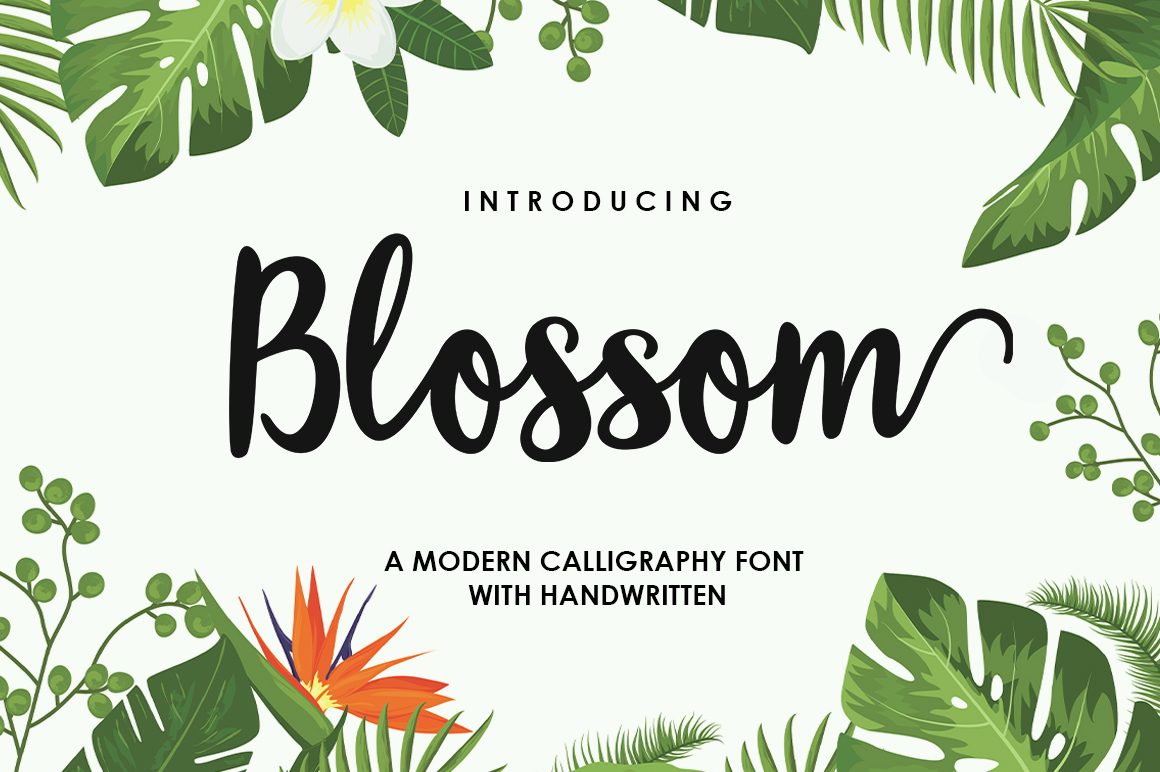
Blossom Script Font is a modern typeface designed to combine the fluidity of hand-lettering with the precision of a digital type system. It belongs to the script category, meaning its characters are designed to connect or appear as though they flow from one letter to the next. What distinguishes Blossom Script from many other scripts is its inclusion of stunning alternate characters, particularly initial swashes (ornamental strokes at the beginning of a word) and end swashes (decorative flourishes at the end of a word). These alternates give designers the ability to customize the look of individual words or phrases without needing to manually draw embellishments.
The font is built with OpenType features, which means it can be accessed through any software that supports advanced typographic controls, such as Adobe Illustrator, Adobe InDesign, Photoshop, or CorelDraw. The typeface typically includes uppercase and lowercase letters, numerals, punctuation, and a selection of ligatures, in addition to the swash alternates. Blossom Script is available in at least one weight, though some versions may offer additional weight variants depending on the foundry or distributor.
Why Consider Blossom Script Font?
Designers and brand owners often seek out script fonts when they want to introduce elegance, warmth, or a personal touch into a layout. Blossom Script Font addresses several common needs within that space. First, the alternate characters allow for a high degree of customization. Instead of the same repeating letterforms, you can vary the appearance of words by activating initial or end swashes, which helps create a handcrafted, bespoke feel in digital and print projects.
Second, the typeface is modern in its proportions and stroke contrast. It does not rely on overly ornate or historical forms, which means it can work alongside contemporary sans-serif and serif typefaces without clashing. This versatility is important for designers who need a script that functions as both a display element and a supporting voice in a composition.
Third, Blossom Script is designed to produce jaw-dropping designs when used thoughtfully. The phrase refers to the visual impact that well-applied swashes and alternates can have on a layout. A single word set in Blossom Script with an initial swash can serve as a focal point on a poster, a website header, or a product label. For designers who need to make their work stand out in crowded marketplaces, this font offers a legitimate tool for differentiation.
Visual Impact Through Alternates
The most frequently cited advantage of Blossom Script Font is its collection of alternate characters. Initial swashes add a dramatic entry to a word, while end swashes provide a graceful finish. When used sparingly, these alternates elevate the typography from functional to expressive. They can transform a simple wedding invitation headline into something that feels custom-lettered, or give a logo a signature-like quality.
Ease of Use with OpenType Support
Accessing alternates in Blossom Script does not require manual drawing or vector editing. If your design software supports OpenType features, you can toggle stylistic alternates, swashes, and ligatures on and off through menus or character panels. This saves time and reduces the risk of inconsistency. For designers who work across multiple projects, the ability to apply alternates systematically is a practical advantage.
Modern Design Language
Many script fonts lean heavily into vintage or calligraphic traditions, which can be limiting for contemporary brand identities. Blossom Script strikes a balance between classic script structure and modern sensibility. Its letterforms are clean without being rigid, and its swashes are decorative without overwhelming the base character shapes. This makes it suitable for a wider range of industries, from fashion and beauty to food and lifestyle.
Tradeoffs and Considerations
No typeface is perfect for every scenario, and Blossom Script Font comes with its own set of tradeoffs that are worth evaluating before making a purchase or committing to a design direction.
Limited Weight Range
Depending on the version you acquire, Blossom Script may be available in only one weight. For projects that require a full typographic hierarchy within the same script style, this can be a limitation. A single weight means you cannot use a bold version for emphasis and a regular version for body text. If your project demands more flexibility, you may need to pair Blossom Script with another typeface to handle subheadings or secondary copy.
Specialized Use Cases
Script fonts with extensive swashes are generally best suited for display purposes rather than extended reading. Blossom Script is no exception. Using it for large blocks of body text will likely reduce readability and slow down the reader. The decorative nature of the alternates also means that overusing swashes can make a layout feel busy or cluttered. To achieve the best results, reserve Blossom Script for headlines, pull quotes, logos, invitations, and other short-form applications.
Software Compatibility
While Blossom Script works well in professional design applications, not all software handles OpenType alternates equally. Some web-based design tools, basic word processors, or older versions of design software may not expose the alternate glyphs. If you work in a collaborative environment that relies on less advanced tools, you may not be able to fully leverage the font's standout features. It is also worth noting that using swash alternates in web fonts can require additional CSS knowledge or may not be supported by all browsers.
Licensing
Like most quality typefaces, Blossom Script is a commercial font. You will need to purchase a license for most professional uses, and the terms vary depending on the distributor. Desktop licenses typically allow installation on a set number of computers, while web licenses require a separate fee and are often based on page views. If you plan to use the font across multiple projects or for client work, factor the licensing cost into your budget. Some free or low-cost alternatives exist, but they rarely offer the same level of alternate character support or design polish.
Where Blossom Script Font Shines
Blossom Script Font is a strong fit for several specific design contexts. Understanding these scenarios will help you decide whether it is worth integrating into your toolkit.
- Wedding and event stationery. Save-the-dates, invitations, thank-you cards, and place cards benefit from the romantic, refined look that Blossom Script provides. The swash alternates add a bespoke touch that echoes hand-lettered calligraphy without requiring a calligrapher's skill.
- Branding and logo design. For businesses in the beauty, fashion, hospitality, or lifestyle sectors, Blossom Script can serve as a signature logotype. The alternates allow you to tweak the wordmark until it feels unique, helping your client stand out from competitors who use generic scripts.
- Social media graphics. Instagram posts, Pinterest pins, and Facebook covers often rely on short, impactful text. Blossom Script's swashes can turn a simple quote or product name into a visually arresting element that captures attention in a busy feed.
- Packaging and labels. Product packaging for candles, cosmetics, gourmet foods, and small-batch goods frequently uses script fonts to convey artisanal quality. Blossom Script offers a polished, professional look that photographs well on shelves and in marketing materials.
- Watermarks and monograms. Photographers, artists, and content creators can use Blossom Script to create elegant watermarks. The alternates help personalize the mark so it feels like a signature rather than a stamp.
When Alternatives May Be Worth Considering
Blossom Script Font is not the ideal choice for every project. In the following situations, you may find that another typeface better serves your needs.
When You Need a Full Family
If your project requires multiple weights, italics, or condensed versions within the same script style, Blossom Script may leave you wanting. Consider a more comprehensive script family that includes thin, regular, bold, and extra-bold weights along with matching ornaments. Foundries often bundle such families at a higher price point, but the investment pays off when hierarchical flexibility is essential.
When Readability Is the Top Priority
For body text, user interfaces, or any application where speed of reading is critical, a script font is rarely the best choice. Even a well-designed script like Blossom Script will slow down readers compared to a clean sans-serif or serif typeface. In these scenarios, select a legible workhorse font for the body and reserve Blossom Script for display roles only.
When the Budget Is Tight
Commercial font licenses add up, especially for freelancers or small businesses just starting out. If you need a script font for a one-off project and cannot justify the expense, there are respectable free alternatives available through Google Fonts, Font Squirrel, or other open-source libraries. Keep in mind that free scripts rarely offer the same level of alternate characters or polish, but they can still produce acceptable results for low-stakes designs.
When the Brand Is Minimalist or Industrial
Not every brand benefits from a script typeface. If your client's identity is rooted in minimalism, industrial design, or a technical field, a script may feel out of place. In such cases, a geometric sans-serif or a monospace font will likely communicate the brand's values more accurately. Always let the brand strategy guide your type selection rather than starting with a font and forcing it to fit.
Practical Decision-Making Insights
To determine whether Blossom Script Font is right for your next project, consider the following practical steps.
- Test it in context. Download a trial version or use a font testing tool to set your actual project text in Blossom Script. Evaluate how it looks at various sizes, how the swashes behave with different letter combinations, and whether the alternates produce the effect you envision.
- Pair it intentionally. Script fonts work best when paired with a neutral counterpart. Try Blossom Script with a clean sans-serif like Montserrat, Lato, or Open Sans for a balanced contrast. Pay attention to spacing, x-height alignment, and overall harmony.
- Check your output medium. If you are designing for print, verify that your print provider can handle OpenType features. If you are designing for the web, test the font in several browsers and devices to confirm that alternates render correctly.
- Think about scaling. Consider how the font will appear on a large poster versus a small business card. Swashes that look elegant at 72 points may become overpowering or illegible at 12 points. Adjust your use of alternates based on the final size of the text.
- Evaluate the licensing terms. Read the end user license agreement carefully before purchasing. Confirm that the license covers your intended use, whether it is desktop, web, app, or commercial reproduction. If you have questions, contact the foundry directly.
Final Considerations for Choosing Blossom Script Font
Blossom Script Font offers a compelling combination of modern script design, extensive alternate characters, and practical OpenType support. It is particularly well-suited for designers who need a sophisticated display typeface that can be customized to feel unique without requiring manual lettering. Its initial and end swashes provide genuine creative flexibility, and when used with restraint, they can elevate a layout from ordinary to memorable.
At the same time, the font has clear limitations. Its single weight and specialized nature mean it is not a universal solution. It works best in short-form display contexts and may require careful pairing with another typeface for longer or more complex layouts. The cost of licensing and the need for OpenType-compatible software are additional factors to weigh.
Ultimately, the right font is the one that serves your content, your audience, and your creative intent. Blossom Script Font is a strong candidate for projects that call for elegance, customization, and a modern script aesthetic. By evaluating it against your specific requirements, testing it in real-world conditions, and using it with intentionality, you can determine whether it deserves a place in your next design. For many designers working on branding, event materials, or social media content, the answer will likely be yes.